Garba is more than a dance—it is a rhythmic circle tradition connected with Navratri, devotion,…
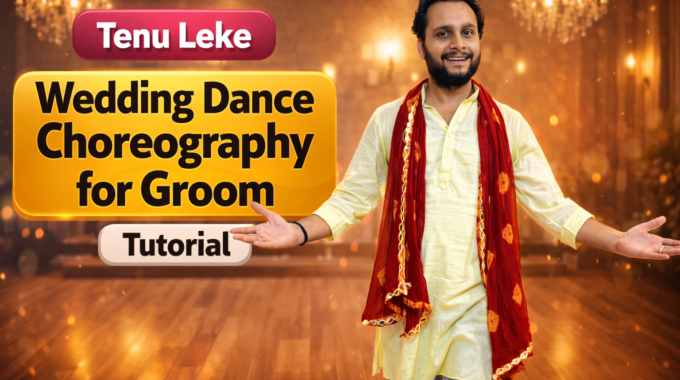
Tenu Leke Main Jawanga Wedding Dance Tutorial for Grooms (Step-by-Step Guide)
Planning your wedding performance and looking for an easy yet impressive choreography? Tenu Leke Main Jawanga is one of the most loved Bollywood wedding songs for groom entries and Sangeet performances.
In this tutorial, choreographer Vishal Sharma from Indian Dance World teaches a beginner-friendly routine that anyone can learn at home. The choreography uses simple footwork, expressive hand movements, and easy transitions, making it ideal even if you’ve never danced before.
Whether you’re preparing for your own wedding or helping a friend with a Sangeet performance, this guide breaks down every section of the choreography into easy-to-follow steps.
Watch the Complete Video Tutorial
Who Can Learn This Dance?
This choreography is suitable for:
- Beginner dancers
- Grooms preparing for their wedding
- Sangeet performances
- Bachelor party performances
- Friends and cousins performing together
- Dance enthusiasts who enjoy Bollywood choreography
No professional dance experience is required.
Dance Style
- Bollywood Wedding Dance
- Groom Entry Choreography
- Beginner Friendly
- Easy Footwork
- Wedding Performance
Song Information
Song: Tenu Leke Main Jawanga
Difficulty Level: Beginner
Approximate Learning Time: 1–2 hours
Practice Duration: 15–20 minutes daily
Step-by-Step Choreography Breakdown
Step 1 – Groom Entry Walk
Start by standing with your back facing the audience.
As the music begins:
- Place your left foot behind.
- Turn smoothly.
- Walk forward for six counts while lip-syncing naturally.
- Maintain confidence and smile.
This creates a dramatic wedding entry.
Step 2 – Expressive Hand Movement
As the lyrics begin,
extend your right leg outward while opening your body.
Focus on:
- chest open
- relaxed shoulders
- eye contact
- facial expressions
Wedding choreography looks much better when expressions match the lyrics.
Step 3 – Doli Movement
When the lyrics mention the doli,
imagine holding the doli with both hands.
Rotate your body toward the left while moving:
- forward
- backward
- forward
- backward
Repeat for four counts.
This movement adds storytelling to the performance.
Step 4 – Backward Walk
Straighten your body.
Move backward for four counts.
At the same time:
- left hand remains straight
- right hand performs a smooth sweeping action
Keep the movement relaxed rather than rushed.
Step 5 – Repeated Entry Sequence
The song repeats similar lyrics.
Repeat the same footwork.
However, change the hand styling.
Use:
- right
- left
- roll
- inward roll
Changing the hand movement prevents repetition and keeps the choreography visually interesting.
Step 6 – Walking Sequence
Extend the left foot.
Join using the right foot.
Face toward the left side.
Now walk forward using four simple steps.
Count:
1
2
3
4
Repeat once more.
Step 7 – Jump Transition
Now add energy.
Jump backward.
Pause.
Jump forward again.
Landing should be soft with knees slightly bent.
Step 8 – Point and Watch Gesture
Point toward the audience with your right hand.
Tap your wrist as if checking the time.
Alternate between right and left.
These gestures match the rhythm and make the choreography more engaging.
Step 9 – Open Arm Sequence
During
“आज नहीं तो कल तुझको तो मेरी होनी रे”
Open both arms.
Move backward for four counts.
Finish by jumping with both feet apart while opening both arms.
This creates a strong visual ending before the chorus begins.
Step 10 – Tenu Leke Main Jawanga Hook Step
This is the signature move.
- Point forward.
- Place the right hand on the left shoulder.
- Keep the left arm extended.
- Move shoulders for four counts.
- Create a heart shape.
- Shift the heart smoothly.
- Repeat the shoulder movement.
This hook step becomes the highlight of the performance.
Daily Practice Plan
Day 1
Learn Steps 1–3
Day 2
Practice Steps 4–6
Day 3
Learn the hook step
Day 4
Combine all sections
Day 5
Dance with music
Day 6
Practice facial expressions
Day 7
Perform in wedding outfit
Common Mistakes Beginners Make
❌ Walking too fast
❌ Forgetting facial expressions
❌ Looking at the floor
❌ Rushing transitions
❌ Missing music counts
❌ Keeping stiff shoulders
Tips from Choreographer Vishal Sharma
- Smile throughout the performance.
- Practice with a mirror.
- Record yourself after every rehearsal.
- Learn counts first and music later.
- Dance confidently rather than trying to be overly technical.
Frequently Asked Questions
Is this dance suitable for beginners?
Yes. The choreography uses simple footwork and basic hand movements that are easy to learn.
Can I learn this dance at home?
Absolutely. Practicing for 15–20 minutes daily is enough for most beginners.
How many days does it take?
Most learners can master the choreography within one week.
Is this dance only for grooms?
No. Friends, cousins, brothers, and wedding groups can also perform this routine.
Can couples perform this together?
Yes. The choreography can easily be adapted into a couple performance with minor modifications.
Which wedding events is this suitable for?
- Groom Entry
- Sangeet
- Engagement
- Reception
- Wedding Party
Join Live Online Wedding Dance Classes
Want personal guidance?
Join Indian Dance World and learn wedding choreography directly from Vishal Sharma through live online classes.
✔ One-to-one coaching
✔ Couple choreography
✔ Group Sangeet choreography
✔ Wedding dance customization
✔ Free demo class

Related Posts